The 3am Handshake: Notes From Britain's After-Dark Commute
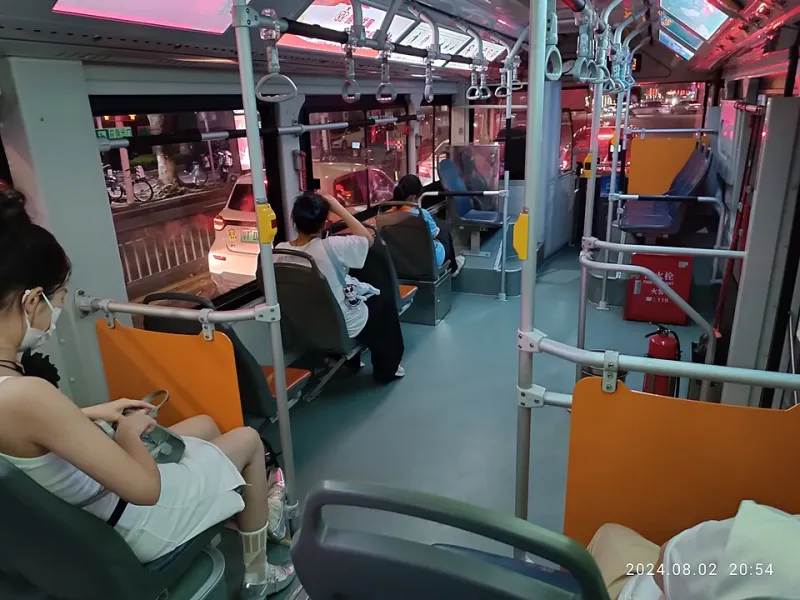
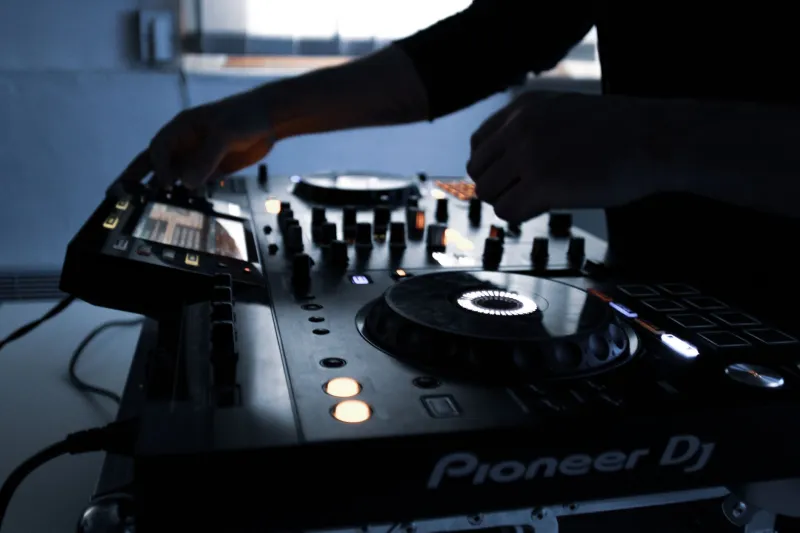
Photo: Yaui Jimdmei 2826, CC0, via Wikimedia Commons
There's a moment, somewhere around ten past three, when a night out stops being an event and turns into a shared situation. The music is off. The cloakroom queue has collapsed into a pile of coats and mild accusations. And a few hundred people who have nothing in common beyond a wristband are suddenly united by one question: how, exactly, are we getting home?
Club Clio loves a dancefloor. But we'd argue the after-dark commute is the real second act — the bit where the city drops its pose and shows you who it actually is.
The last dance happens at the bus stop
Night buses are Britain's most honest public institutions. Nobody is performing on the N86. There's the bloke cradling a folded pizza box like a newborn. The two friends harmonising a song that was already four years old when they first heard it. The person asleep bolt upright, bag clamped under an arm, absolutely immovable. And then the quiet heroes of the whole operation: the nurse coming off a shift, the baker heading in, the cleaner with a rucksack and a look that says she has seen your night and raised it.
That crossover is the thing. Around four in the morning the bus stops being a night bus and becomes an early bus, and the two worlds sit side by side without comment. It's the closest thing Britain has to a classless room, and it costs about two quid.
Anatomy of a late-night route
The unwritten rules are precise and nobody ever teaches them to you. Headphones in, volume just low enough to hear your stop called. Window seat is a solo sport; aisle seat is an invitation. Eye contact is off the menu unless someone needs help, at which point the whole top deck silently coordinates. If a stranger is crying, someone will hand over a tissue without a word and then look firmly out of the window, because dignity is the currency here.
City by city, a field guide
London. The Night Tube, running Fridays and Saturdays on the big lines, has rewritten the capital's small hours — the Victoria line at 2am is its own ecosystem, part nightclub overspill, part airport run. The night buses never stopped being the safety net, though, and the top deck of a night bus through south London is one of the great free shows in the city.
Manchester. The walk down Oxford Road at 2am has a rhythm all its own, a slow procession of people negotiating the last tram and the first bus. Since the Bee Network brought the region's buses under local control, the conversation about what runs after midnight has got louder and more interesting — and the answer, for now, is still usually a taxi you split three ways.
Glasgow. The Subway clocks off early, which means the city's after-dark commute is a walking one, punctuated by the famous Glasgow hello: a total stranger telling you your jacket is nice and then asking where you're going. It is not a threat. It is a service.
Bristol. Hills. So many hills. Nobody warns you that the journey home from a harbourside night out is essentially a fell walk, and that the person confidently giving directions at 2:30am has never once been right.
Leeds. Call Lane empties in one great wave, and the taxi queue becomes a temporary village with its own politics and micro-economy. Meanwhile the first buses of the morning start rolling and the city quietly resets itself.
Cardiff. Womanby Street to the rank to chips with garlic sauce is a pilgrimage with a fixed order, and if you deviate you will be told about it by a stranger with strong opinions.
Taxi rank etiquette, or the queue as social contract
There is a whole moral code at the rank and it is enforced by silent judgement. Don't hail a cab that someone else flagged. The split-fare negotiation should be finished before you get in, not after. The shout of 'anyone going north?' is a public service and should be treated as one. If someone in the queue is on their own and wobbly, you stay with them — that is not a rule anyone wrote down, it's just what happens, and it's the best thing about us.
Check the plate. Check the licence. Book ahead if you can, because the 3am surge is where night-out budgets go to die, and a taxi you can't afford is worse than a bus you have to wait for.
The kebab queue is Britain's most honest room
The queue for food at the end of a night has no door policy, no dress code and no guest list. It's a room full of people at their least impressive and most human, and the tenderness in it is real. Someone hands out chips to a stranger. The person behind the counter clocks who's had too much and quietly makes the water free. Two people who have never met discover they grew up three streets apart and behave as if they've won something.
Nowhere else in a city do people talk like this. It's community infrastructure with a fryer.
What the journey home says about 2026
We talk endlessly about the night-time economy — about venues closing, ticket prices, who gets to go out at all. The journey home is where all of that lands. It's where safety stops being a policy and becomes a text to a friend, a shared live location, a walked-in pair, a bar staff member calling someone a cab. It's where cost-of-living Britain decides whether a night out ends at midnight or at sunrise. It's where accessible transport stops being an afterthought and becomes the difference between a good night and no night at all.
So yes, the commute deserves its own guide. Here's the short version.
Packing for the journey home
- Check the last services before you go out, not while you're standing outside a locked station.
- Carry a physical card as well as your phone. Batteries die at the worst possible moment.
- Share your live location with someone who will actually look at it.
- Learn which side of the street your night bus stops on. This will save you forty minutes and a small piece of your soul.
- Be the person who asks. The ones who ask are the ones who make the city work.
The night bus is a love letter nobody asked for. It smells of chips, it stops at every lamppost, and it will absolutely get you home. Get on.