The Two Hundred Club: Inside Britain's Smallest, Loudest Nights
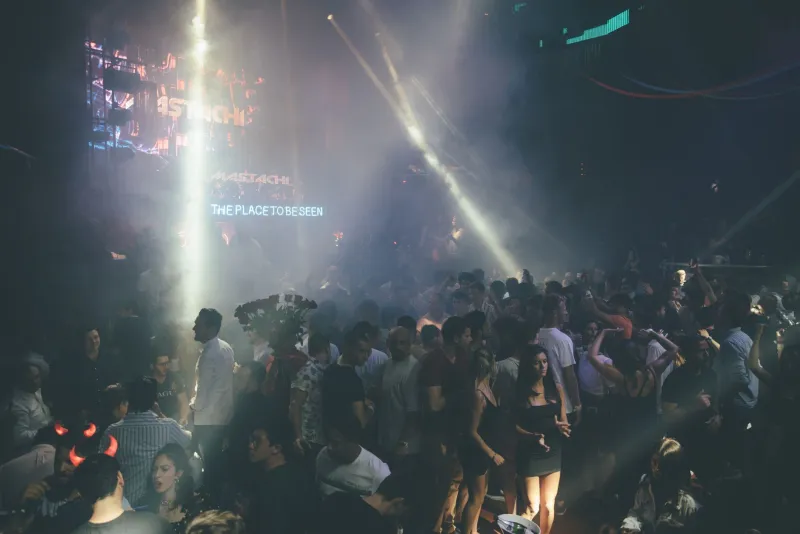
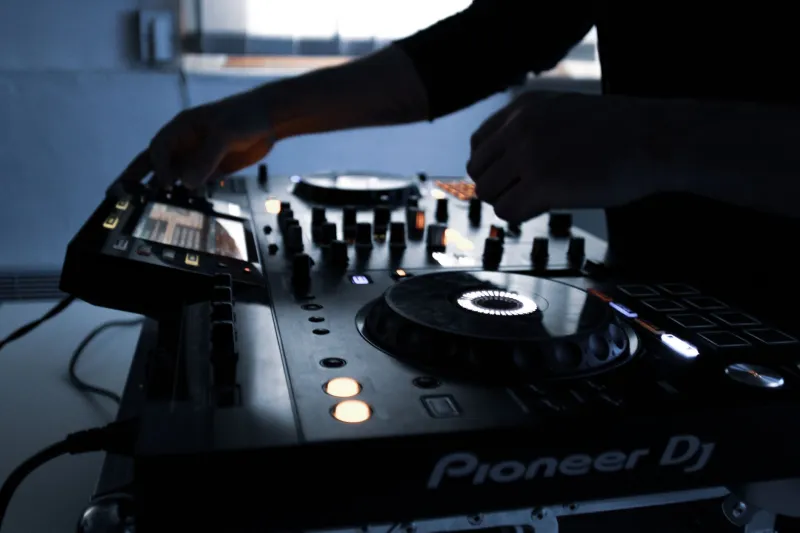
On a Thursday in March, a basement in Leeds holds 180 people and sounds like it holds a thousand. There's no stage. The DJ booth is a table with a towel over it. The queue for the toilet is also the queue for the bar, which is also, somehow, the dancefloor. At 1.40am the room hits a groove so tight that nobody notices the ceiling dripping.
"That's the whole pitch," says Sasha, one of three people behind a monthly night that has sold out every edition since it launched in early 2025. "We can't beat a big room on production. We can beat it on proximity." Sal Small rooms have always existed, of course. What's changed is the noise they're making. In 2026, a chunk of the UK's most exciting club programming — the names people actually text each other about — happens in spaces that legally hold fewer people than a school assembly. Two hundred is the unofficial ceiling. A hundred and fifty is common. One promoter in Sheffield runs a room that fits 120, and only if everyone's a size small.
Why the small room hits harder
There's a practical argument and a romantic one. The practical one: at 200 capacity, the booth is close enough that a DJ can see the room react, and the room can see the DJ work. Nobody is playing to the back of a hangar. The sound system doesn't have to fight a dead zone. You can hear the hi-hat.
The romantic one is about attention. In a big club, you have a night out. In a small room, you have a night together. There's no VIP area, no guest list sneaking round the side, no good seats. Everyone is in the same sweat.
"I think people are tired of being processed," says Femi, who has promoted in Manchester for a decade and moved to smaller rooms in 2024 after a licensing row with a 900-capacity venue. "Small rooms ask something of you. You have to show up, you have to be in the room, you can't hide at the back on your phone. It's a bit more effort and people are absolutely gagging for it."
The maths nobody wants to do
Here's the clear-eyed bit. Two hundred people at £12 a ticket is £2,400. Out of that comes the room, the sound, the staff, the security, the PRS and PPL, the insurance, the flyer design, the guest DJ's fee and whatever the venue takes on the bar if it doesn't get the bar. Some nights break even. Many don't.
"We lost money for the first eighteen months," says Sasha. "Not dramatically. Just consistently. We were a hobby with a bank account."
The squeeze is familiar across the country: rents rising, insurance renewals climbing, business rates that don't care how small you are, and noise complaints from flats that were offices when the venue first opened. Licensing committees are rarely hostile, but they are slow and expensive. One Bristol promoter describes spending more on a legal variation to serve until 3am than on a year's worth of guest fees.
What's kept the small-room scene alive is that it's cheap to be ambitious. You don't need to sell 1,500 tickets to justify a strange booking. You need 200 curious people, and in most UK cities there are 200 curious people.
Bold line-ups, low ceilings
Which is why some of the most interesting programming in Britain right now is happening at this scale. Residents carry the night; the guest is a wildcard rather than a headline. A 190-capacity room in Glasgow has spent 2026 pairing local techno producers with a choir, a jazz drummer and, on one memorable occasion, a man with a sousaphone. A Brighton basement runs a monthly where every DJ has to play one track they've never played before. In Cardiff, a 150-capacity night has a strict no-photos policy enforced with a roll of stickers over camera lenses, and the dancefloor has never looked happier about it.
Inclusivity isn't a policy document at this scale. It's structural. Nobody's queuing for a twenty-minute search because the room is small and the door team know half the queue. Welfare is easy to staff when you can see the entire floor from the booth. Sober-friendly and first-timer slots work better when the vibe is a house party rather than a pilgrimage.
"The best compliment I get," says Femi, "is 'I came on my own and it was fine.' That's the whole job."
The pipeline problem
The small room also happens to be where DJs are made. Every established name on a UK lineup poster did their first proper sets in a room like this one — playing to forty people, learning how to read a floor, learning that the drop you love in your bedroom can empty a room.
If small venues keep closing, the pipeline narrows. It's not just about losing a fun night out; it's about losing the place where the next generation learns the craft. That's the argument promoters make to councils, and it's usually the one that lands, because it's the one that's true.
There's a version of 2026 where the small room becomes the whole scene rather than the entry point — where the buzz, the risk and the joy all live at 200 capacity, and the big rooms become something you do for a birthday. From where we're standing, in a sweaty basement in Leeds with a dripping ceiling and 179 new friends, that doesn't sound like a downgrade.
It sounds like a night out.