Held Space, Heard Bass: The UK Nights Putting a Talking Circle Before the Dancefloor
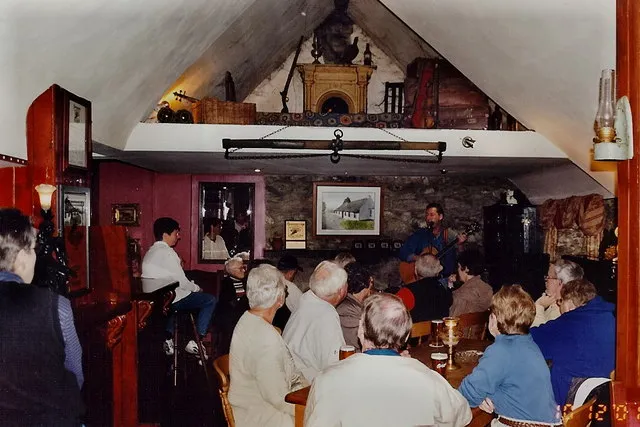
The first surprise is the chairs. They are not arranged in a grim semicircle under fluorescent light, and nobody is holding a laminated feelings wheel. You are in a side room of a Manchester venue that usually smells of spilled lager and dry ice, there is a mug of tea with your name on it in marker pen, and a facilitator is explaining that you do not have to say anything at all. Outside, the sound system is being line-checked. Inside, someone is quietly admitting they nearly cancelled tonight because their week had been a lot.
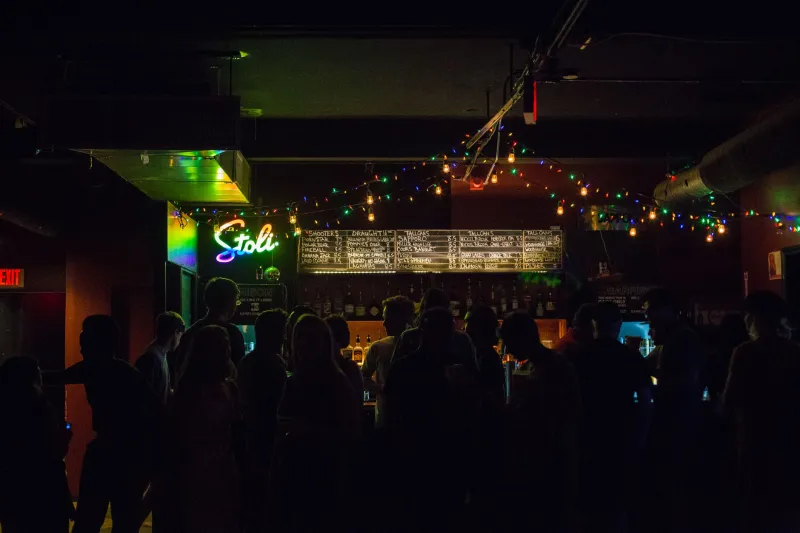
Welcome to the softer, stranger edge of the British night out. Across London, Bristol, Glasgow, Leeds and Manchester, promoters are bolting therapy-adjacent bits onto club nights: optional pre-rave talking circles, trained welfare crews who are not just there for the bad stuff, quiet rooms with actual walls, and dancefloors designed for release rather than pure punishment. The pitch is not that a bassline will fix your childhood. It is that a night out can hold a bit more of the messy human stuff without turning into a seminar.
First, the bit where nobody dances
The pre-club check-in usually runs for twenty to forty minutes, before doors properly open. You might get a prompt card, a breathing exercise that does not involve anyone pretending to be a tree, or a simple round of what you are bringing in and what you would like to leave behind. The best ones make opting out feel normal. You can sit at the back, drink your tea, and count the ceiling tiles. Nobody will ask you to share in the circle unless you want to.
This is not group therapy, and the good promoters are careful to say so. It is closer to the good bit of a house party before it gets loud: the coats on the bed, the low lighting, the conversation that goes somewhere real because everyone has stopped performing for a minute. Then the room opens up, the first record lands, and the same people who were talking about their week are now somewhere near the front with their eyes shut. The transition is less weird than it sounds. It is basically a green room with better boundaries.
What it actually feels like
On a good night, the talking bit does not hover over the dancefloor like a therapist in a hi-vis. It just takes the edge off. You arrive less braced. You are more likely to ask a stranger to watch your bag, less likely to spend the first hour decoding whether the room is friendly. The welfare crew are visible but not hovering, wearing something you can spot in low light, handing out earplugs and water without making it a whole thing.
Then there is the emotional release part, which can sound unbearably earnest on paper and feels much more ordinary in practice. People cry on dancefloors. People laugh too hard. People stand very still with their eyes closed during a breakdown and then come back to life for the drop. In a room that has explicitly said this is allowed, it stops being a crisis and becomes part of the night. Nobody hands you a tissue and a diagnosis. They just make space.
The bad version is easy to spot: a wellness-themed queue, a facilitator who overshares, a circle you cannot leave without climbing over someone, and a dancefloor so dark you cannot find the welfare team if you need them. Therapy-adjacent should mean safeguarding, not vibes.
The welfare crew is the headline act
Ask any promoter doing this well and they will tell you the same thing: the crew is the night. Not the headliner, not the lighting rig, not the Instagram-friendly quiet room with a single sad beanbag. A proper welfare team is trained in consent, distress, drug awareness, sexual harassment, neurodivergence and accessibility. They have a rota. They have a radio. They know where the first-aid kit is and who to call if someone needs more than water and a sit-down.
That sounds unglamorous because it is. It is also the difference between a night that can hold people and a night that just uses the word 'safe' on a flyer. The best crews are paid, briefed and backed by venue management. They are not one exhausted promoter with a lanyard and a first-aid kit from 2019. They are the reason you can lose yourself for a bit and still know there is a door back.
How to spot a good one
Start with the information before you buy a ticket. Does the listing explain the quiet room, the welfare crew, the accessibility, the sober options and the fact that the talking circle is optional? Is there a clear policy on harassment and consent? Can you find out who is running the night without scrolling through three link-in-bio pages and a dead Facebook event?
Then look for the small stuff. A quiet room with actual walls and not just a corridor. Free water and earplugs. A facilitator who does not pressure anyone to speak. Signposting to real services rather than vague advice to 'look after yourself'. Transparent pricing. A dancefloor where you can find help without using your phone torch like a searchlight.
Red flags include 'healing' used as a ticket tier, facilitators who make the circle about their own journey, and any night that treats vulnerability as a marketing aesthetic. You can usually tell the difference between a promoter who has done the work and one who has simply bought a diffuser.
Who it is for
Not just the fragile, and not just the sober-curious. These nights are for the anxious clubber who usually needs two pints before they can relax. The autistic raver who wants a quiet room that is not a toilet cubicle. The person who has had a rough week and still wants to dance. The friend who always ends up minding everyone else and never gets a turn. The curious type who likes the idea of a night out with a bit more emotional range than 'brilliant' or 'ruined'.
If you want pure hedonism with no talking, that is completely fine. This is not compulsory, and nobody is coming for your pint. It is also not a substitute for clinical care. A talking circle before a club night is not a GP appointment, and the good promoters know that. They are offering a softer landing, not a cure.
The afterglow
By 2am, the circle is a distant memory and the room is doing what rooms do: sweating, flashing, heaving. But something has shifted. The night feels less like a test you might fail and more like a room with a door. You can go hard. You can take a breather. You can have a cry and then a dance. You can leave early without feeling like you have broken a contract.
That is the real boom, if you want to call it that. Not therapy on the dancefloor, exactly. Just British clubbing remembering that people bring their whole selves out after dark, and that a bit of held space does not kill the bass. It gives it somewhere to land.